DPF Control – Information in English 🇬🇧
DPF Control – Information in another language
Please read the following content and visit our homepage www.dpfcontrol.eu.
On the homepage, please select the appropriate language version. If you have any questions, contact us in any language. Thank you,
Your DPFControl.eu team

DPF Control – Essential information about the device that monitors and controls the particulate filter (DPF)
A comprehensive guide for drivers who want to wisely protect their diesel engine. Discover a device that provides precise information about the ongoing filter regeneration (burning) process, soot accumulation level, and the condition of the exhaust system. Thanks to full transparency, you gain safety and protection against repair costs reaching thousands of dollars.
1. What is the DPF Control device and how does it save your wallet?

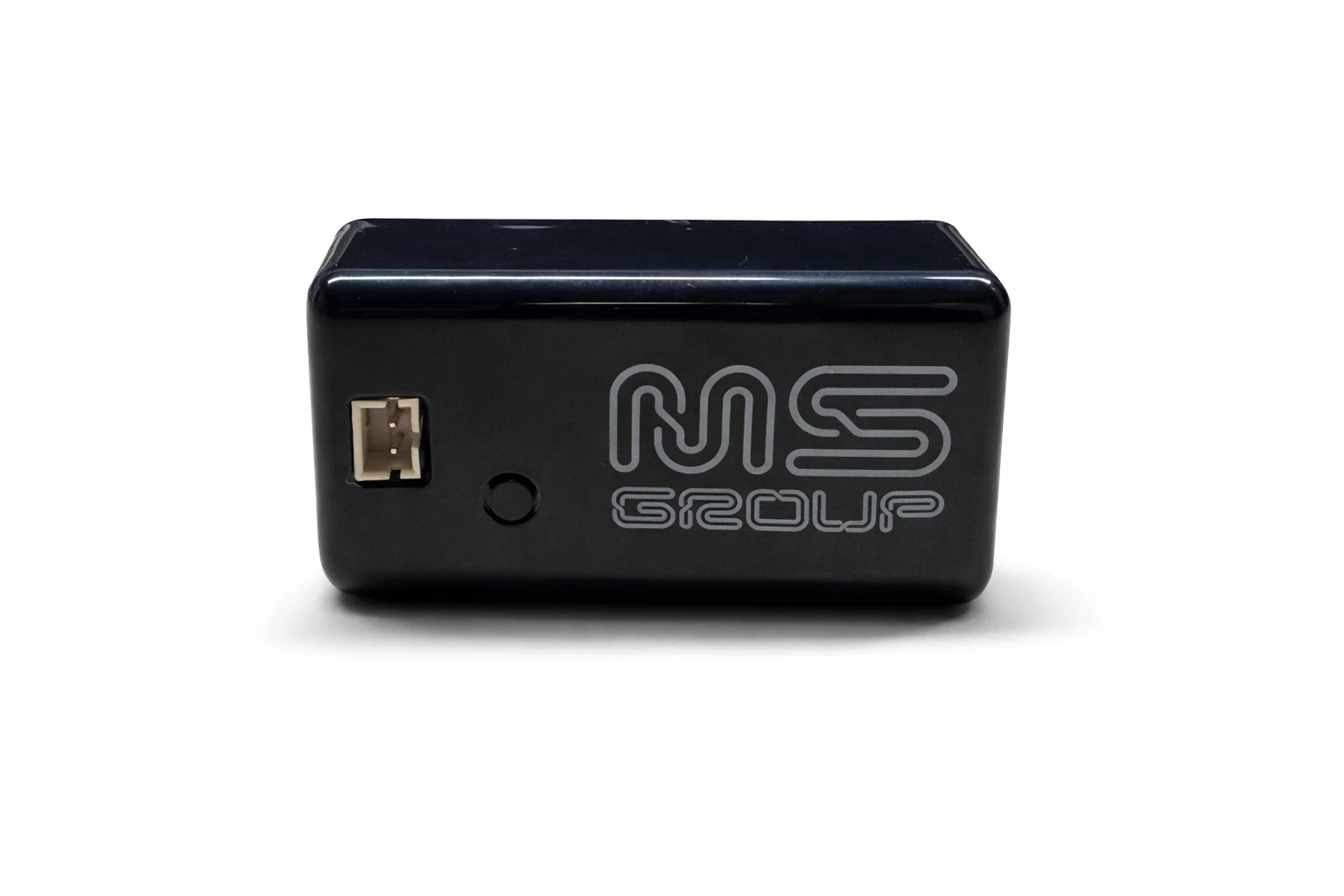
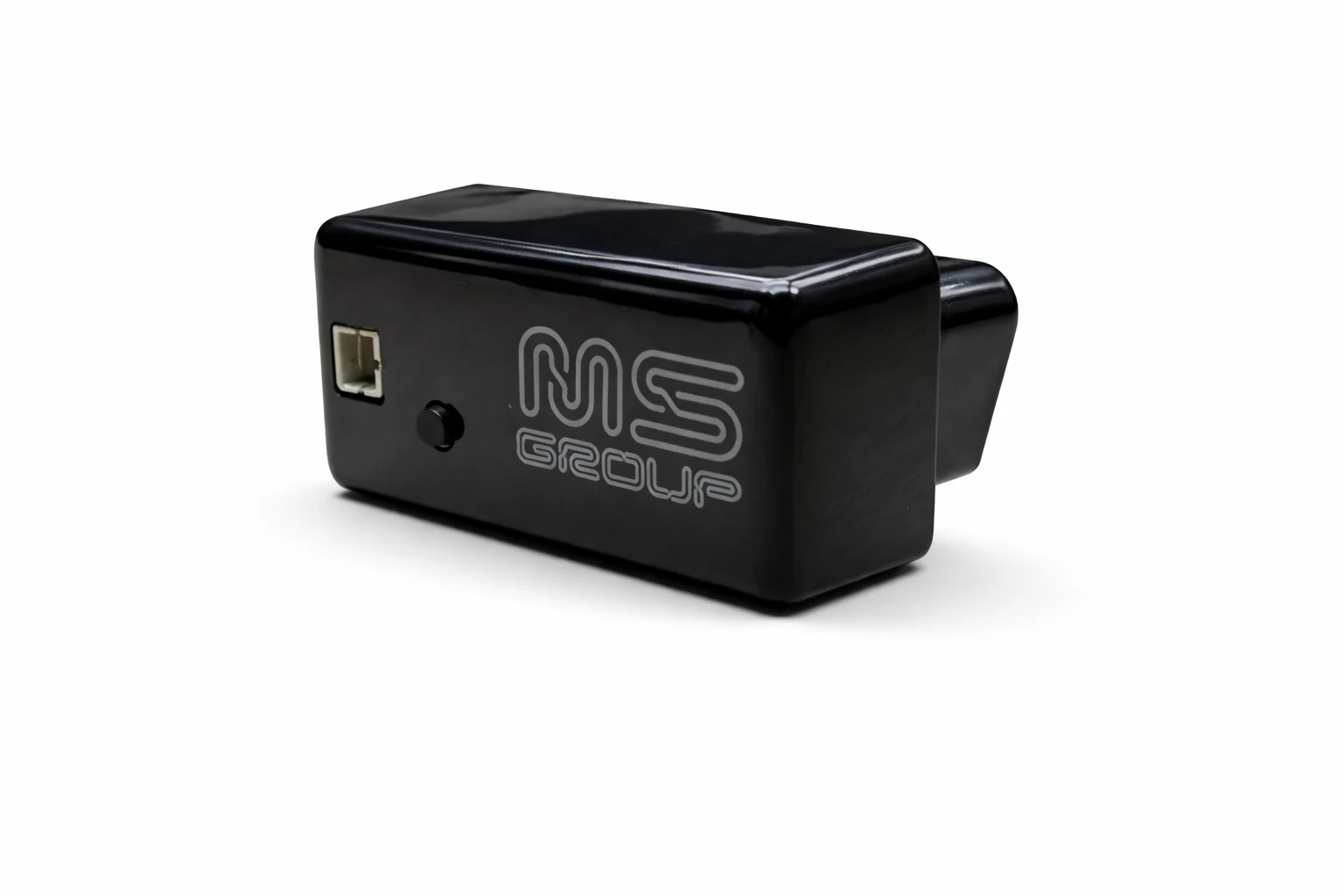
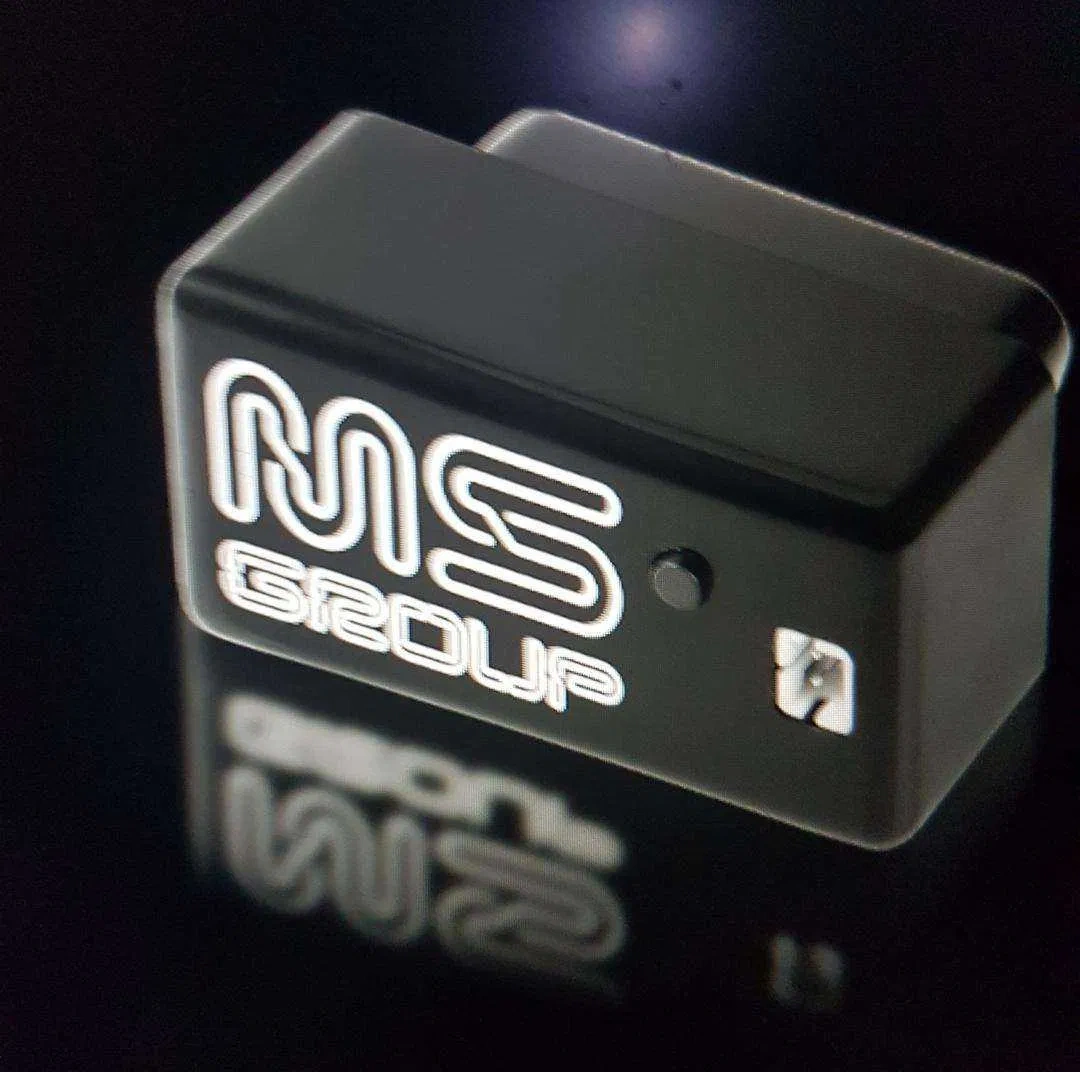
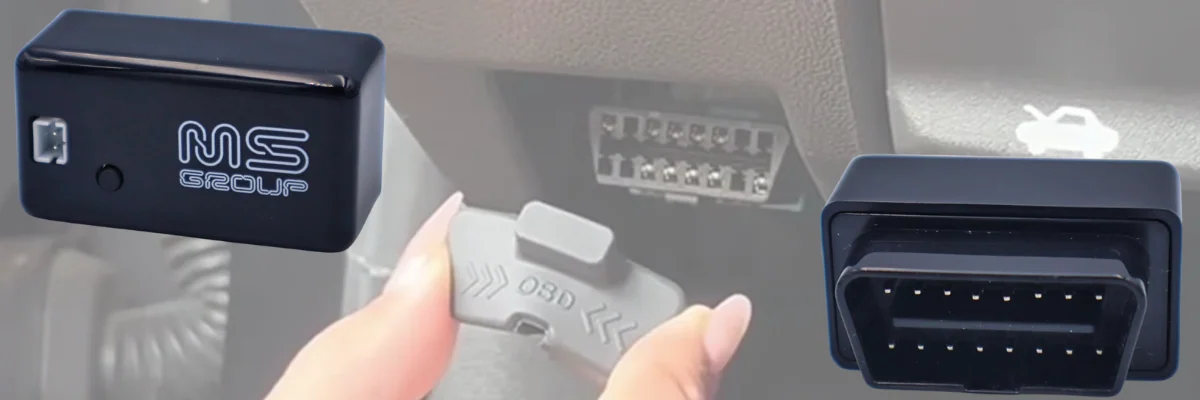
DPF Control is an innovative, ultra-compact diagnostic device designed specifically for conscious drivers of diesel vehicles. It is a specialized module that plugs directly into the standard OBD2 diagnostic port, which is present in every modern car.
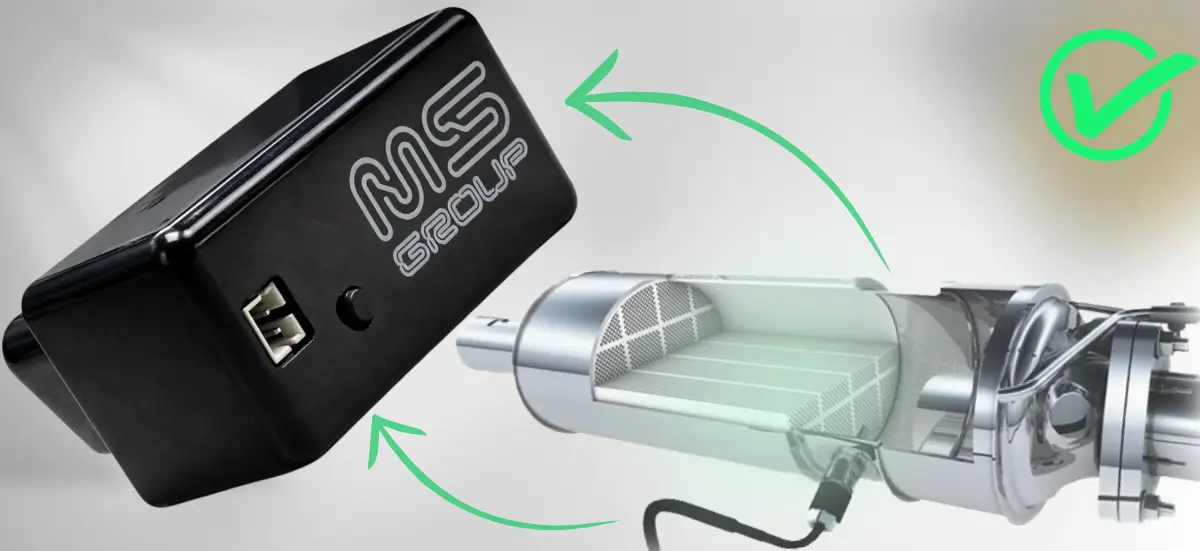
Its absolutely most important function is immediately indicating to the driver the start time and duration of the diesel particulate filter (DPF / FAP) regeneration process. Thanks to DPF Control, you can avoid mistakes like turning off the car at the worst possible moment. Preventing the interruption of this crucial process drastically reduces the risk of clogging the ceramic insert, which realistically extends the lifespan of the exhaust system and turbocharger by tens of thousands of miles.

Unlike expensive and complicated workshop interfaces, our device works fully autonomously in “Plug & Play” mode. What does this mean in practice? You don’t need any external smartphone apps that freeze, you don’t have to pair equipment via Bluetooth every time, and you don’t modify the Engine Control Unit (ECU) software in any way.
DPF Control operates non-invasively – it simply “listens” to the digital operating parameters of the system in real time and instantly reports the actual state to you through a clear LED signal. It is pure, undisturbed information from inside your car, conveyed in the simplest possible way.
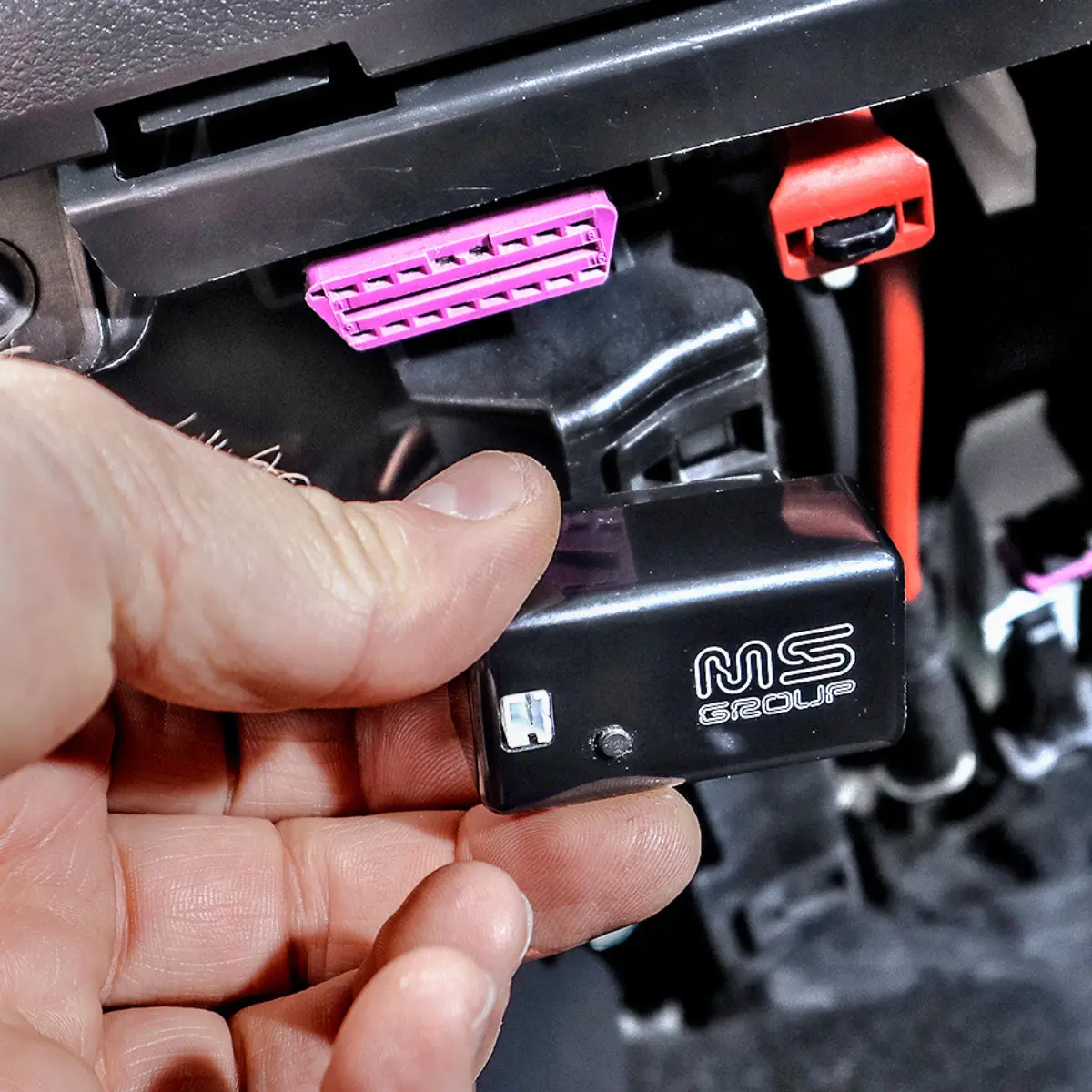
Apart from the invaluable information about the regeneration procedure itself, the professional module also allows for precise checking of the exact amount of soot accumulated in the particulate filter. This is a massive technological advantage. Thanks to this, you gain absolute control over the condition of the most sensitive and incredibly expensive element of your car. And most importantly – you find out about everything long before the terrifying “Check Engine” warning light suddenly turns on, signaling a visit to the mechanic and a drain on your wallet.
2. What really is diesel particulate filter regeneration? Facts and Myths
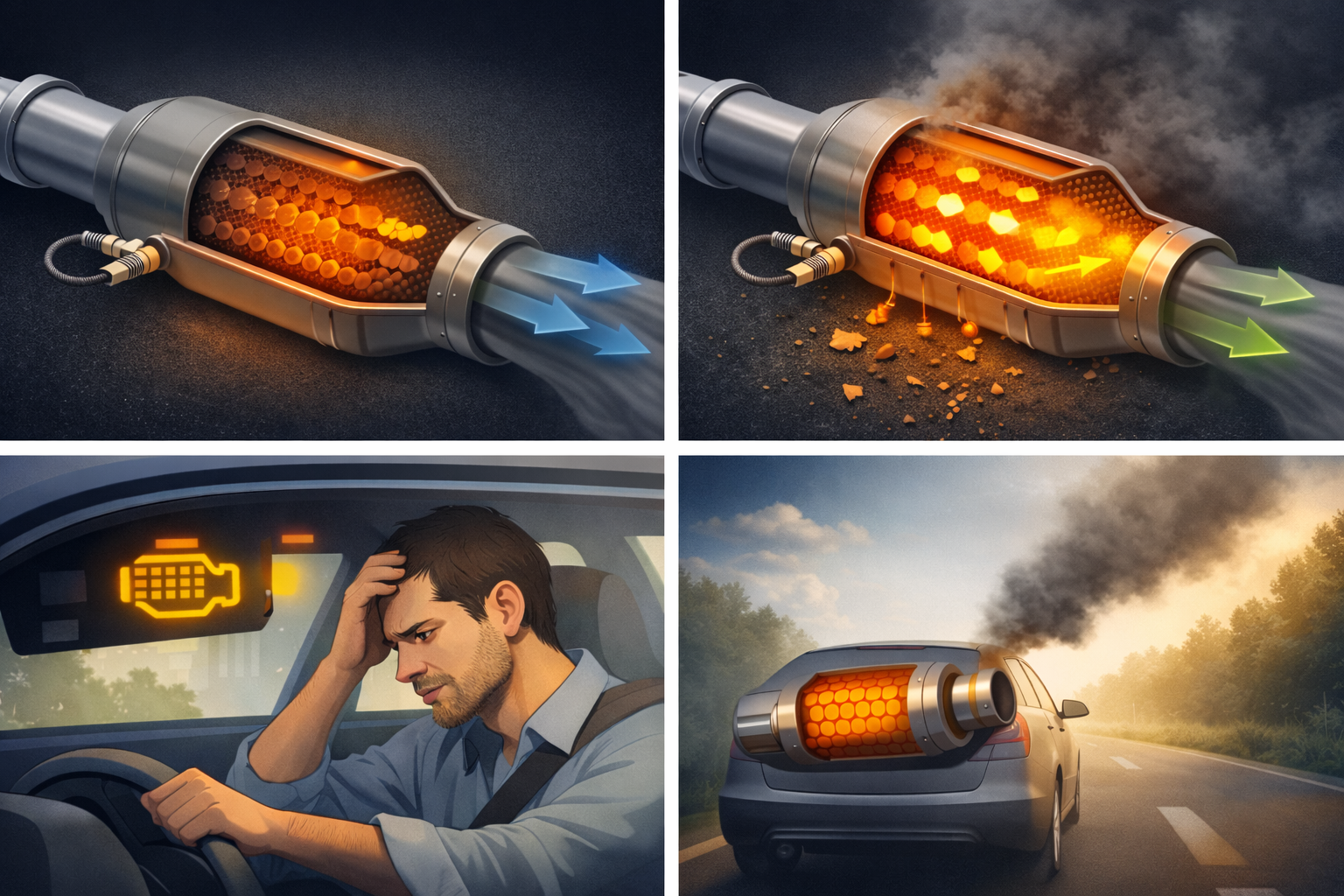
Modern diesel engines must meet incredibly strict daily emission standards (Euro 5, Euro 6). That is exactly why engineers introduced advanced particulate filters (DPF / FAP) into exhaust systems, whose sole task is capturing and storing microscopic soot in their sponge-like structure. Thanks to this, modern diesels do not smoke at all, are quiet, and eco-friendly. Unfortunately, the physical capacity of the filter is severely limited. When the soot density reaches a critical point, the Engine Control Unit (ECU) initiates the so-called active regeneration (burning) process, drastically raising the exhaust gas temperature.

Debunking myths about DPF failures
Over the past years, many repeated myths have grown on the internet and in workshops, claiming that DPF filters are a factory flaw, a necessary evil, and a generator of massive financial problems. This is completely untrue! A properly and consciously operated DPF filter, installed in a technically sound car, generates no failures at all and easily reaches mileages of 200,000, 300,000, and even 400,000 kilometers without any effort.
The avalanche of trouble begins exactly at the point where the driver, living in complete unawareness (because car manufacturers do not install regeneration indicators), repeatedly interrupts regeneration cycles while driving in the city. Thanks to DPF Control, you can avoid mistakes related to ignoring hidden regeneration, which acts as a direct shield protecting your money against costly service interventions.
3. Golden rules: How to properly operate a car with a DPF filter?
Here is the essence of knowledge for a modern diesel driver. Having the right data gives you a powerful advantage. To optimally care for your car, fully utilize its potential, and maximize the trouble-free lifespan of the drivetrain, you should strictly follow these simple rules the moment your DPF Control device signals the start of background regeneration:
A) Strictly avoid interrupting the regeneration process
When the DPF Control module informs you with its clear light signal that the car is performing the procedure, you must avoid interrupting the DPF regeneration at all costs, e.g., by turning off the engine! Shutting off the engine during this process triggers a domino effect that destroys the engine:
- Destructive thermal shocks: The inside of the filter is often heated to over 650°C. Suddenly turning off the engine cuts off the flow of gases, causing rapid, uneven cooling. This leads to micro-cracks in the expensive ceramic DPF insert and damages exhaust sensors.
- Huge fuel consumption: The controller is stubborn. The interrupted process does not disappear – the computer will force another regeneration attempt as soon as the engine warms up again. This generates continuous “extra injections” and drastically increases the average fuel consumption of the car.
- Deadly engine oil dilution: To reach the soot burning temperature, injectors supply additional large doses of diesel during the exhaust phase. If you interrupt the process, the unburned fuel condenses on the cylinder walls and flows straight down into the oil pan. This dilutes the engine oil, turning it into a thin liquid. It loses its lubricating properties for camshaft lobes, bearings, and the turbo, and the rising level on the dipstick threatens a catastrophic “diesel engine runaway” phenomenon.
B) Adaptation: Changing driving style to a more “offensive” one
Take matters into your own hands. If possible, during the regeneration, it is recommended to intentionally change your driving style to a more dynamic and smooth one. It is best to keep the engine in a stable range of 2000 – 3000 RPM.
However, it is worth noting clearly that engineers have programmed the engine controller to handle regeneration equally well at lower RPMs in urban conditions. On the other hand, driving at around 3500 RPM will perfectly affect the system – such a powerful rush of exhaust gases physically “blows out” the heavy ash deeper into designated filter buffer zones, freeing up space. But such high RPMs are absolutely not necessary. The most important and overriding rule is simply to minimize turning off the engine during regeneration.
C) Mandatory exhaust system cooling (Cooldown)
This is a detail that 90% of drivers forget. When the device, based on ECU parameters, indicates the desired end of the burning procedure, you must remember that metal and ceramic are still heated to murderous temperatures of 600°C – 700°C. The turbocharger is also red hot.
It is recommended to purposely allow the filter and turbine to reach a normal, safe operating temperature for the next 3 to 6 minutes. This can be achieved by simply driving slowly and smoothly with minimal throttle load (cooling with airflow inside the system), or ultimately leaving the car with the engine running at a standstill, so the oil absorbs excess heat from the turbine bearings. Thanks to DPF Control, you can avoid mistakes such as brutally shutting off the engine at peak temperature.
D) Intelligent operation planning based on the soot indicator
You have access to data that cannot be seen on the dashboard gauges. Knowing the current percentage or gram amount of soot allows you to incredibly precisely and strategically plan your current vehicle operation. This will make the regeneration proceed completely stress-free and “asymptomatic”. Having full view of the filter capacity, you will avoid a rookie mistake: you will not set off for a store 3 minutes away at the exact moment when DPF Control reports that the car will enter a burdensome regeneration mode in just a second. You can intentionally choose a longer route via a bypass and let the machine cleanse itself in perfect highway conditions.
4. Conscious operation is the only guarantee of reliability

Remember this correlation: only a genuinely and consciously operated vehicle, combined with highly professional maintenance, guarantees that the technical condition of the machine remains impeccable. This directly and indisputably translates into the ability to freely reach high mileages, completely eliminating the need for expensive replacements of complex turbochargers (VTG), sensitive Common Rail injectors, or integrated DPF/SCR filters.
In today’s reality, with cars used in urban driving and Start-Stop systems, it is absolutely recommended to radically shorten engine oil replacement intervals to a maximum of 10-12 thousand kilometers. You should always use original dedicated oils (so-called Low SAPS), diligently maintain perfect cleanliness and permeability of the air filter, and the intake system.
Contrary to the terrifying, popular opinions circulating the internet, perfectly maintaining the condition of a modern, powerful diesel is by no means secret or difficult knowledge, as long as you have an advanced device like DPF Control!
An absolute MUST-HAVE device
To sum up – this inconspicuous, small, and incredibly intelligent compact device literally “gets the job done”. Today, it is an absolute and uncompromising MUST-HAVE for every responsible driver who wants to move from place to place quickly, quietly, and without unexpected mechanical problems. The module allows you to fully, without remorse, enjoy the powerful benefits of dynamics, torque, and the legendary economy of a modern diesel.
The device works incredibly simply, non-invasively, and extremely clearly communicates complex digital signals to the driver regarding the current state of the exhaust system. This opens the way to fully responsible and highly conscious operation, which directly and drastically extends the lifespan of the very expensive-to-replace DPF, and thereby affects the durability of the entire car, simply allowing you to enjoy the great advantages of modern diesel engines longer, cheaper, and with peace of mind.