
Spring Car Care for Diesel Drivers – Time for Summer Tires, Smarter DPF Protection, and Responsible Driving with DPF Control
Spring is here, which means it is the perfect time to prepare your car for the warmer season. For every diesel driver, this usually starts with one essential job: changing winter tires to summer tires so the vehicle can remain safe, stable, and predictable on warmer roads. But spring maintenance should not stop there. This is also the ideal moment for a complete seasonal refresh: cleaning the car, checking its condition, and thinking about real vehicle protection. And real protection means more than washing the paintwork or vacuuming the interior. It also means correct vehicle operation — especially in cars equipped with a DPF (diesel particulate filter). To keep a diesel car in good condition, the filter should be allowed to complete regeneration as smoothly and as uninterruptedly as possible whenever the process begins. That is exactly why DPF Control exists: it informs the driver when DPF regeneration starts and ends, helping support conscious, responsible, and long-term diesel car ownership.
Spring is the right time to switch to summer tires
When temperatures rise and winter conditions are gone, drivers should start thinking seriously about seasonal tire replacement. Summer tires are designed for warmer temperatures and provide better grip, more stable handling, and shorter braking distances on dry and wet roads during the spring and summer months. In other words, replacing winter tires with summer tires is not just a routine habit — it is an important part of road safety.
Winter tires perform best in cold weather, snow, slush, and low-temperature road conditions. Once spring arrives, however, the same tire compound becomes less optimal for warm asphalt. Summer tires are built differently, and that difference matters. They help the car feel more precise, more responsive, and more secure when driving in the warmer part of the year. If a driver wants to travel safely in spring and summer, the summer tire change is one of the first and most important maintenance steps.
This is also why spring often becomes a natural “car care season.” Many drivers book a tire service appointment, inspect the wheels, clean the trunk, vacuum the interior, wash away winter dirt, and use the opportunity to look at the car more carefully. That is a good habit — because seasonal attention often helps prevent bigger issues later.

Spring car care should include protection — and protection means more than washing
After winter, most cars need attention. The bodywork may still carry traces of road salt, grime, and moisture. The interior often needs vacuuming and a deep clean. Wheels, door sills, floor mats, and even the luggage compartment can benefit from proper seasonal care. Many drivers associate this with “protecting the car,” and they are right — up to a point.
A clean, well-kept vehicle is easier to enjoy and often easier to maintain. But true car protection is not limited to visual care. It is not only about a fresh-smelling cabin, shiny paint, or clean alloy wheels. Real protection also includes correct operation of the car’s technical systems. This is especially important in a modern diesel car, where the way the vehicle is used has a direct impact on the condition of components working quietly in the background.
For drivers of diesel cars, spring is therefore a good time to think more broadly: not just about appearance, but about responsible use. A well-maintained diesel should not only look good — it should also be operated in a way that helps important systems, including the diesel particulate filter, function properly.

Why correct DPF operation matters in diesel cars
In modern diesel vehicles, the DPF filter plays a very important role. The diesel particulate filter captures soot particles created during normal engine operation. Over time, that soot builds up, and the vehicle must clean the filter through a process known as DPF regeneration. Drivers often call this “burn-off” or “DPF cleaning,” but the key point is simple: the car needs to complete this process from time to time in order to keep the filter working correctly.
The problem for many drivers is not that regeneration exists — the problem is that many cars do not clearly tell the driver when regeneration has started. As a result, the vehicle may begin a perfectly normal regeneration cycle just before the driver reaches home, the office, a shop, or a parking space. If the engine is switched off immediately, the process may be interrupted.
One interrupted regeneration does not automatically mean a serious problem. However, frequent interruption of DPF regeneration can be unhelpful, especially in cars used mainly on short urban routes. When regeneration is repeatedly cut short, the car may try again later. Over time, this can lead to frustration, more repeated regeneration attempts, and less predictable daily driving. That is why drivers who care about correct diesel car use should try to allow the regeneration process to finish as smoothly as possible when the time comes.
This matters to drivers who want to take a conscious and responsible approach to car ownership. It is part of good diesel maintenance. Just as you would not ignore tire condition or engine oil quality, it also makes sense not to ignore the timing of DPF regeneration.

A clean car is good. A correctly operated car is better.
It is easy to focus on what can be seen. Drivers notice polished body panels, spotless wheels, and tidy dashboards immediately. But some of the most important aspects of vehicle care happen out of sight. This is especially true for modern diesel cars from brands such as VW, Audi, Skoda, SEAT, CUPRA, and Porsche, where the correct completion of a regeneration cycle can be part of healthy everyday operation.
Drivers do not need to become mechanics or diagnostic experts to care for their vehicle properly. They simply need useful information at the right time. If the driver knows that regeneration has started, the driver can make a better decision. Maybe it is worth continuing to drive for a few more minutes. Maybe it is better not to switch the engine off immediately. This kind of awareness is practical, responsible, and driver-friendly.
What DPF Control does — and why it is useful in everyday driving
DPF Control was created for exactly this purpose. It informs the driver about the start and end of the DPF regeneration process. That information is simple, direct, and useful. Instead of guessing based on changes in engine sound, temporary fuel consumption, fan behavior, or general suspicion, the driver receives a clear indication when regeneration begins and when it ends.
This makes DPF Control a valuable companion for anyone who wants to use a diesel car more consciously. It helps support better everyday decisions without unnecessary complexity. It does not require the driver to study advanced technical parameters all the time. Instead, it focuses on what matters most in daily use: knowing when the filter is regenerating.
That knowledge can make a real difference. A driver who understands when regeneration is in progress is more likely to allow the process to finish. A driver who does not know may unintentionally interrupt it again and again. DPF Control therefore supports a more informed style of ownership — one based on awareness, not guesswork.
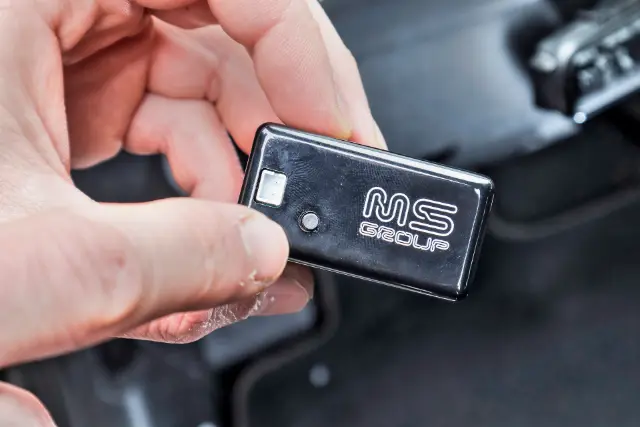
Why drivers appreciate DPF Control
- It informs about regeneration start – so the driver knows when the DPF cleaning process has begun.
- It informs about regeneration end – so the driver knows when the process has been completed.
- It supports responsible diesel operation – helping the driver avoid unnecessary interruption of regeneration.
- It promotes conscious ownership – because good maintenance starts with good information.
- It fits spring maintenance logic perfectly – tire change, cleaning, and DPF awareness all belong together.
Spring is also the season of small habits that protect the car long-term
Good vehicle care is rarely about one dramatic action. More often, it is about small, repeated habits. Changing to summer tires at the right time. Cleaning away winter dirt. Checking fluids and wipers. Keeping the car tidy. Driving responsibly. Paying attention to what the vehicle needs. In diesel cars, that also means respecting DPF regeneration timing.
Many drivers genuinely prefer to take care of their cars. They want them to stay reliable, pleasant to drive, and free from unnecessary trouble. That mindset is worth protecting. A car that is cared for both cosmetically and mechanically is more likely to remain enjoyable over the long term. In that sense, DPF Control fits naturally into a broader spring maintenance routine. It is not a decorative accessory. It is part of a sensible approach to diesel driving.

Responsible operation helps components last longer and work without unnecessary trouble
Every driver who cares about a car wants the same thing: long service life, fewer complications, and smoother ownership. No device can replace regular servicing, and no driver should expect miracles from one small product. But correct operation absolutely matters. When a diesel car is used more consciously, the vehicle’s important systems are given a better chance to do their job under the right conditions.
That is why DPF Control is relevant for drivers who value responsible vehicle use. By informing the driver about the beginning and the end of regeneration, it encourages smarter choices in everyday situations. Those smarter choices can help support better running conditions for the DPF system and contribute to the kind of ownership many drivers prefer: calm, informed, and careful.
It is a simple principle: when you understand the car better, you usually treat it better. And when you treat the car better, its components are more likely to serve you for a long time without unnecessary stress. This is why spring is not just the season for washing, vacuuming, or switching wheels. It is also the season for improving the way you care for the car every day.
If your vehicle has a diesel particulate filter and you want to take a more informed approach to driving, DPF Control is worth considering as part of your seasonal diesel maintenance routine.
Why DPF Control belongs on the spring maintenance checklist
A complete spring checklist for a diesel driver may include: switching to summer tires, washing the vehicle after winter, cleaning the cabin, checking the technical condition of the car, and making sure the vehicle is ready for warm-weather driving. But for drivers of DPF-equipped diesel cars, there is one more smart item to add: regeneration awareness.
DPF Control supports exactly that. It helps transform uncertain diesel use into more informed diesel use. And for drivers who prefer to take care of their vehicle properly, that is an attractive benefit. Good maintenance is not only about repairing problems. It is about preventing avoidable stress, supporting proper operation, and staying one step ahead with useful information.
Looking for a simple way to monitor DPF regeneration?
DPF Control helps drivers see when regeneration starts and when it ends — making conscious and responsible diesel driving easier every day.
View DPF ControlFrequently Asked Questions
Why should I change winter tires to summer tires in spring?
Summer tires are better suited to warm temperatures and offer improved grip, handling, and braking performance in spring and summer conditions. Changing tires seasonally is an important part of driving safety.
Why is DPF regeneration important?
The diesel particulate filter collects soot during normal driving. Regeneration is the process that burns off that soot so the filter can continue to function properly. Allowing regeneration to finish when it begins is part of correct diesel car operation.
What does DPF Control do?
DPF Control informs the driver when DPF regeneration starts and when it ends. This helps the driver avoid unnecessary interruption of the process and supports more conscious vehicle use.
Is protecting the car only about washing and detailing?
No. Washing and care are important, but true protection also includes responsible operation. For diesel cars with a DPF, this means understanding regeneration and helping the system complete its process when needed.
Where can I buy DPF Control?
You can find the product here: https://dpfcontrol.eu/dpf-control-shoponline/
Summary
Spring is the right time to prepare your diesel car for the warmer season. Replacing winter tires with summer tires improves safety. Cleaning the vehicle after winter improves comfort and appearance. But real protection goes further: it includes correct vehicle operation. In a diesel car with a DPF filter, correct operation means allowing regeneration to complete as uninterruptedly as possible whenever it begins. DPF Control helps the driver by indicating the start and end of the regeneration process, making everyday diesel driving more conscious, more responsible, and more relaxed. If you care about your car and want your components to serve for a long time with fewer problems, DPF awareness belongs on your spring checklist.